
Categories
RelocationPublished October 20, 2026
Should you move from Anchorage to the Mat-Su Valley?

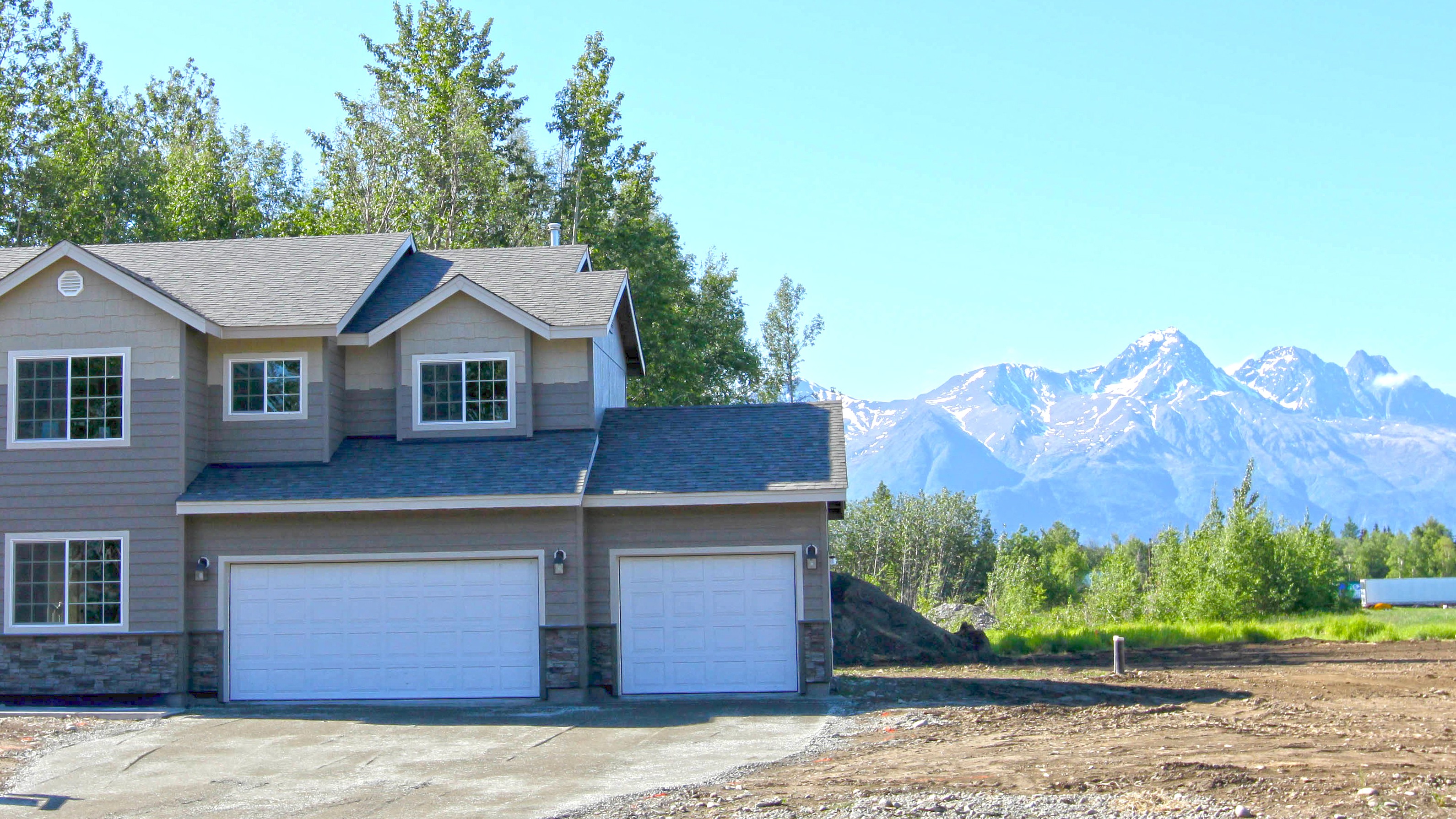
The short answer: For a lot of people it's a great move, especially if you want more room, a newer home, or some land and don't mind a longer drive. The two questions that usually decide it are how often you really need to be in Anchorage and whether you're ready to run a home on a well and septic system.
I grew up in Anchorage and lived there until I was 30, so I understand the pull of both places. These days I live and work in the Valley, and a good share of the buyers we help every year are making the same move I did. A few realize partway through the search that Anchorage still fits their life better, and that's a perfectly good outcome too. This guide is what I'd tell a friend sitting across the table before they list their Anchorage house.
Why do so many Anchorage buyers look at the Valley?
The conversation almost always starts with space. People want a bigger lot, a garage they can actually park in, room for a shop or an RV, or simply a little more distance from the neighbors. In my experience the same budget often buys more house and more land out here, although that depends a lot on the neighborhood and the kind of home you're comparing, so I always pull real comparisons for the areas you're considering.
The second reason is newer housing. Buyers who are tired of updating an older Anchorage house find a lot more recent construction to choose from here. In full disclosure, I'm also the sales and marketing partner for Hall Quality Homes, so I'm biased toward new construction. That's exactly why I tell people to run the numbers on both resale and new before deciding. You can see what's being built on our new construction page.
The last reason is harder to put on a spreadsheet. A lot of people simply like the slower pace out here and the feeling of a smaller community where you run into people you know at the store.
How long is the commute from the Valley to Anchorage?
This is the question I hear first, and the honest answer is that it depends on the day. Most commuters drive the Glenn Highway. From Palmer or Wasilla to midtown Anchorage, plan on 35 to 45 minutes on a good day. On a snowy, slow day it's closer to an hour, and once in a while a bad stretch of weather or a crash on the Glenn makes it longer than that.
If you'd rather not drive every day, Valley Transit runs a commuter bus between the Valley and downtown Anchorage, where you can connect to People Mover. Check the current schedule on the Mat-Su Borough's transit page or Valley Transit's website before you count on a particular trip.
My advice is to drive the commute yourself at the hour you'd actually make it, once on a clear day and once after a snowfall, before you fall in love with a house.
What's different about owning a home out here?
Water and sewer. In most of Anchorage you turn on the tap and the city handles the rest. Many Valley homes outside Palmer and Wasilla city limits have a private well and a septic system instead. That isn't a problem, but it does mean some homework before you close. On every home with a well and septic, we recommend a well flow test, a water quality test, and a septic adequacy test, and you'll take on some routine maintenance after you move in.
Roads and plowing. Many subdivision roads are maintained by the borough through road service areas, while others are private or maintained by a homeowners association. The borough's road maintenance page says plowing starts once about 4 inches of snow has fallen, that a 4 inch snowfall normally takes up to 48 hours to clear after the snow stops, and that school bus routes come first. It also says clearing the berm across your driveway is the property owner's job. If you're used to city plowing, ask who maintains the road before you make an offer.
City limits matter. Living inside or outside Palmer or Wasilla city limits can change your services and what you pay in taxes, so check which side of the line a home sits on. The borough publishes its mill rates on its property tax page, and the Municipality of Anchorage does the same, which makes it easy to compare a specific address.
Should you buy new construction or a resale home in the Valley?
Both can be the right call. New construction usually brings a builder warranty and modern energy efficiency. A resale home often comes with a more established lot, mature trees, finished landscaping, and sometimes more land for the price. I'd look at both with the same questions in mind, starting with what it costs to heat and what your total monthly cost looks like once taxes and insurance are added in.
How do you sell in Anchorage and buy in the Valley without the timing turning into a mess?
This is the part that keeps people up at night, and it's very manageable with a plan. The usual options are selling first and renting briefly, buying with an offer that depends on your Anchorage home selling, or lining up both closings close together. The right one depends mostly on your equity and how competitive the market is that season.
It helps a lot to have one team handling both sides. Our GPRE agents work the Anchorage sale while I work the Valley purchase, so the two timelines are planned together instead of colliding. If you're early in the process, our selling page explains how we prepare a home for market.
What do people miss about Anchorage, and what surprises them?
People tell me they miss being five minutes from everything, and some miss their favorite restaurants and certain specialists. You will make more planned trips into town. What surprises most of them is how quickly the Valley starts to feel like home.
Quick answers
Is it cheaper to live in the Mat-Su than in Anchorage?
Housing often costs less for the space you get, but commuting time and fuel can eat into the savings. Compare the full monthly picture for a specific home, including taxes, insurance, heating, and the drive.
How far is Wasilla from Anchorage?
It's about 43 miles by the Glenn and Parks Highways. On a good day the drive from Wasilla or Palmer to midtown Anchorage takes 35 to 45 minutes, and closer to an hour when the roads are snowy.
Is there a bus from the Mat-Su Valley to Anchorage?
Yes. Valley Transit runs a commuter bus to downtown Anchorage. Check the borough's transit page or Valley Transit for the current schedule.
Do most Valley homes have well and septic?
Many homes outside city limits do, while some neighborhoods connect to city or community systems. Check each property, and plan on a well flow test, a water quality test, and a septic adequacy test before closing.
Who plows the roads in Mat-Su neighborhoods?
It depends on the road. Many are plowed by the borough through road service areas, starting at about 4 inches of snow, and others are private or maintained by an HOA. Ask before you buy.
If you're weighing the move, start by browsing homes for sale in Wasilla, then reach out and we'll talk through your commute and your timeline. I'm happy to have that conversation even if you're a year away.
About the author: Tyson Kroon owns Gathering Place Real Estate, brokered by Real Broker Wasilla, and has been part of close to 1,500 property sales in Southcentral Alaska. He grew up in Anchorage and now lives and works in the Mat-Su Valley.
Sources: Mat-Su Borough, Public Transit Services (matsu.gov/msb-transit). Valley Transit (valleytransitak.org). Mat-Su Borough, Road Maintenance (matsugov.us/articles/roadmaintenance). Mat-Su Borough, Real Property Tax (matsu.gov/services/property-tax). Municipality of Anchorage, Property Appraisal (muni.org).
Gathering Place Real Estate | Real Broker Wasilla | Tyson Kroon | Equal Housing Opportunity | REALTOR®

Tyson Kroon
| Gathering Place Real Estate | Real Broker, LLC
or another way